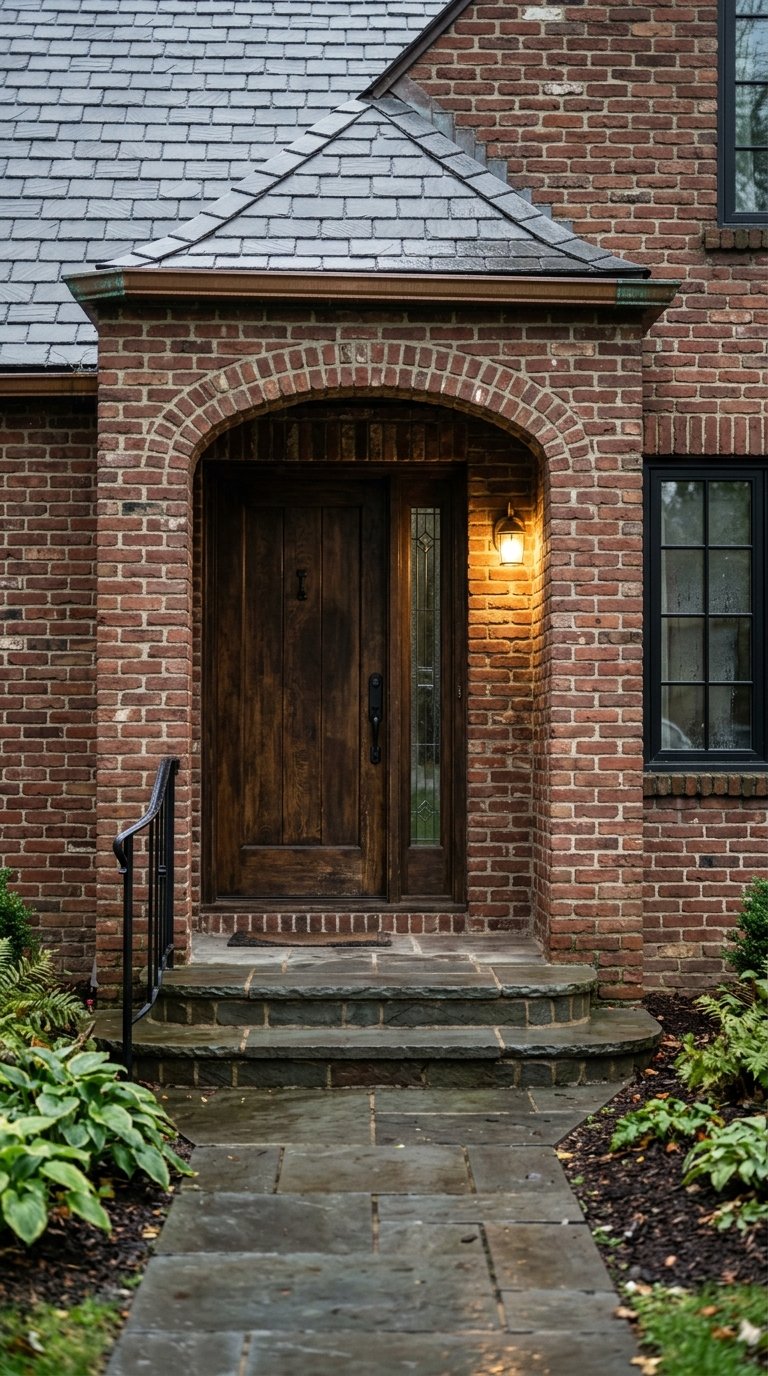
If you love the charm of Chevy Chase, you are not alone. Older homes in Lexington’s 40502 area can offer character, established streetscapes, and architectural details that are hard to find in newer construction, but they also ask more of you as a buyer. The smart move is knowing what to look for before you fall for the curb appeal, and that is exactly what this guide will help you do. Let’s dive in.
Why older Chevy Chase homes stand out
Chevy Chase sits in Lexington’s 40502 area and is part of Council District 5. City planning records identify it as an existing ND-1 neighborhood design character area, and University of Kentucky neighborhood index records show multiple Chevy Chase subdivision plats approved between 1937 and 1952.
That timeline matters because it helps explain what many buyers find here. In practical terms, the housing stock you tour will often be pre-war or early post-war in feel rather than newer construction. That usually means more architectural personality, but also more systems, materials, and layouts that deserve a closer look.
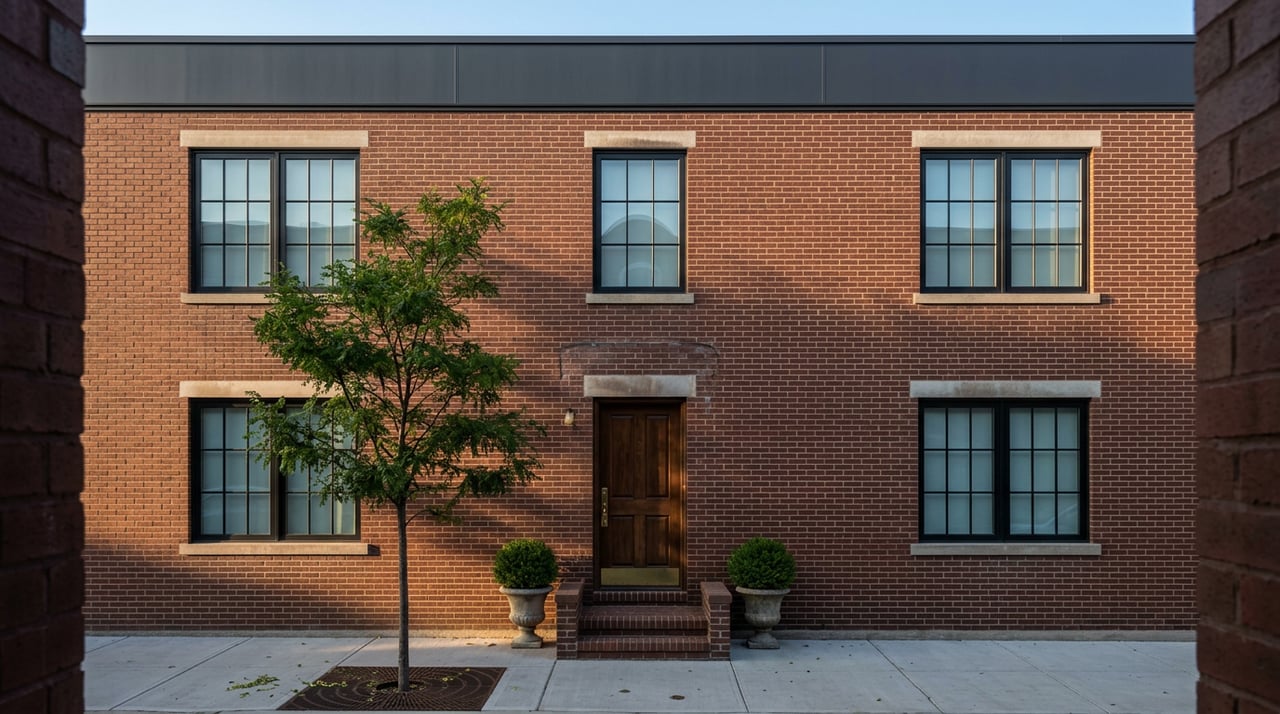
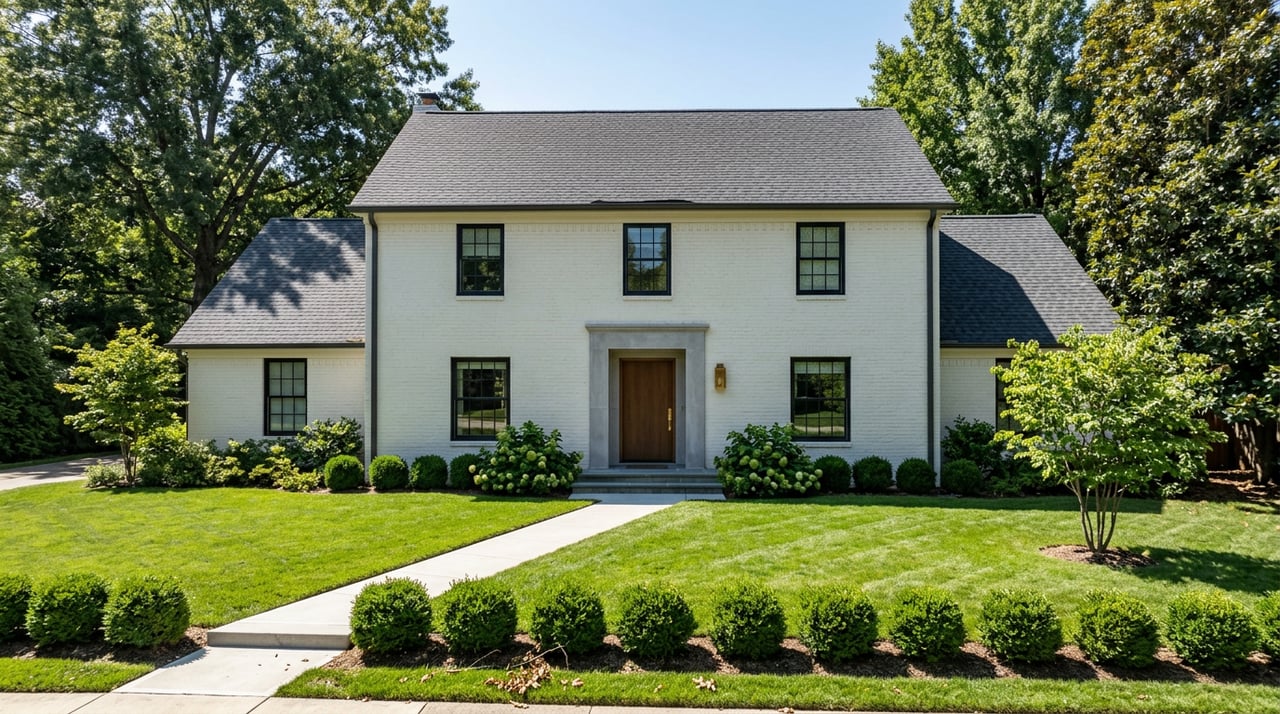
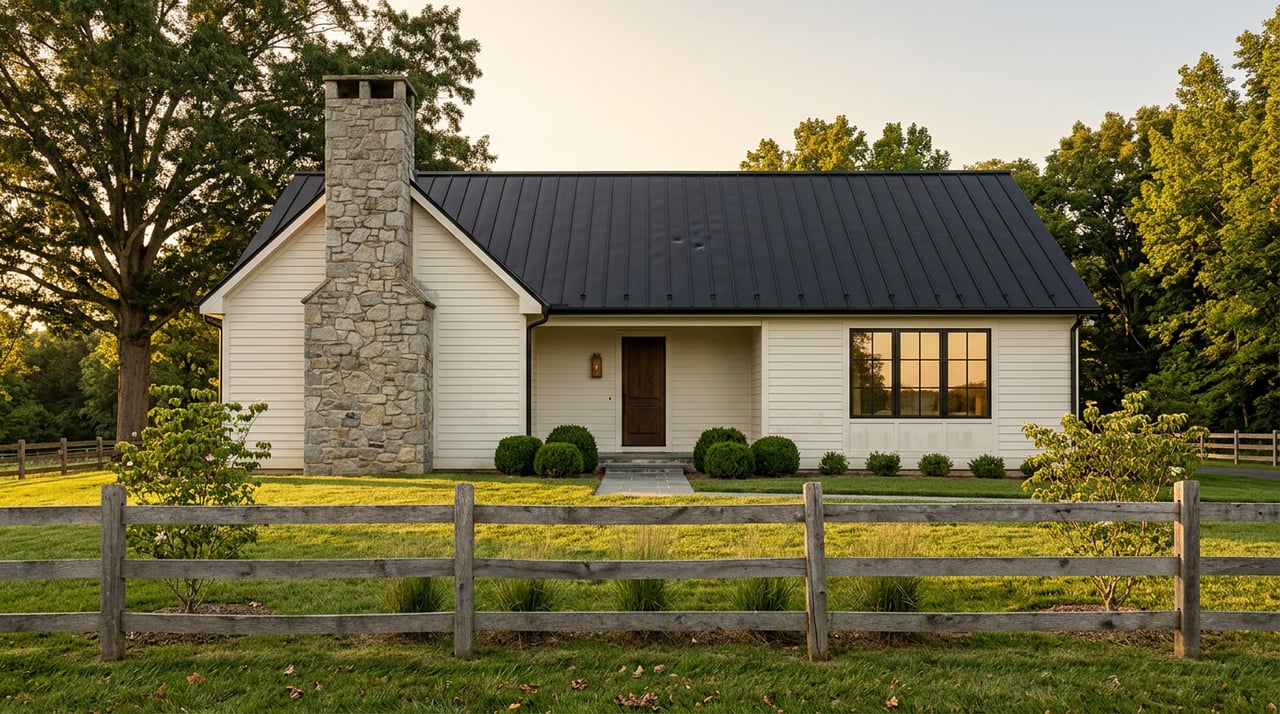
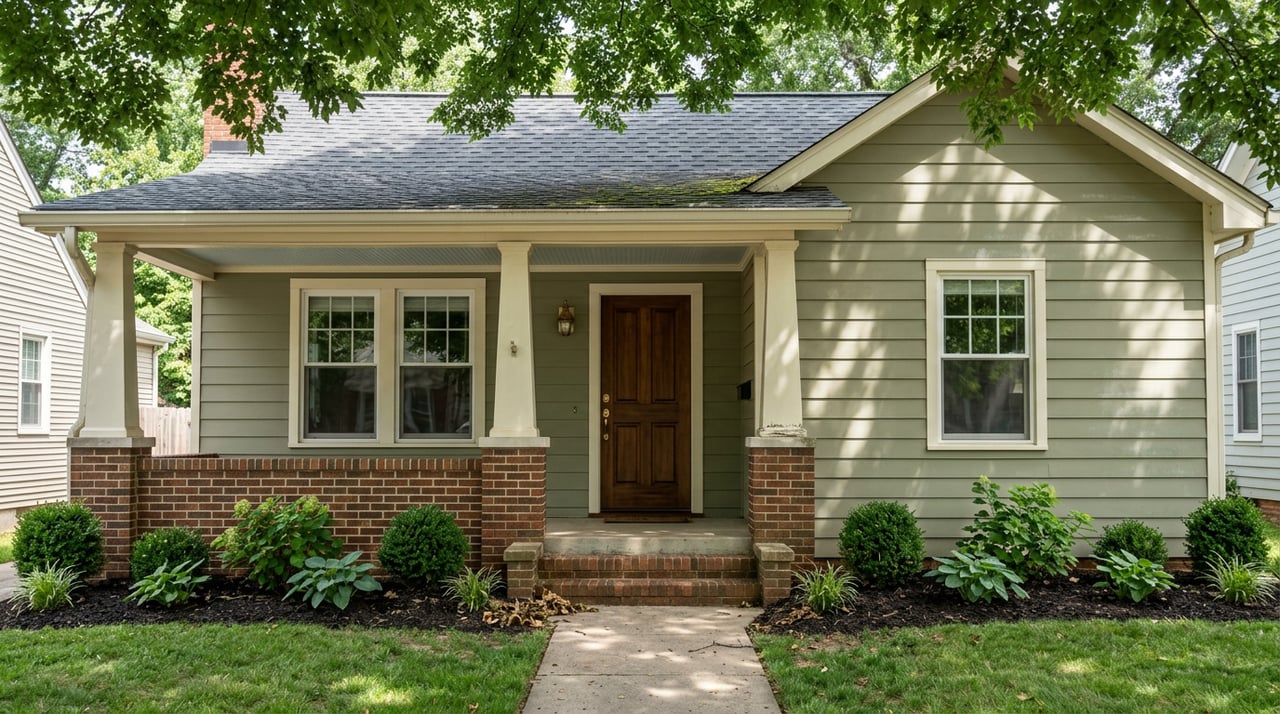
A local neighborhood guide describes Chevy Chase and Ashland Park as a mix of older homes, many from the early 1900s, with styles such as Colonial Revival, Craftsman, Bungalow, and Tudor Revival. These homes often bring details buyers love, like front porches, steep gables, dormers, symmetry, built-ins, and distinctive rooflines.
What older floor plans often feel like
One of the biggest adjustments for buyers is not cosmetic. It is the way the home lives day to day.
Many older homes in Chevy Chase are likely to have more compartmentalized layouts than newer homes. Instead of one large open kitchen, living, and dining area, you may see clearly defined rooms, narrower passages, half-story spaces, or upstairs rooms shaped by rooflines and dormers.
That does not make the layout worse. It just means you should think carefully about how you actually live. If you work from home, host often, or want wide-open sightlines, you may need to decide whether the existing floor plan fits your lifestyle or whether future changes would be needed.
Start with structure and moisture
In an older home, cosmetic updates can distract you from the things that matter most. Fresh paint and a renovated kitchen are nice, but the smart buyer starts with moisture control and the building shell.
The U.S. Department of Energy notes that moisture control, ventilation, insulation, and air sealing are closely tied to comfort and mold prevention. In a Chevy Chase home, that makes the roof, flashing, gutters, grading, attic ventilation, and any signs of past leaks especially important.
When you walk a home, pay attention to clues such as:
- Stains on ceilings or walls
- Musty smells in lower levels or enclosed spaces
- Peeling paint near windows or trim
- Sagging gutters or poor drainage around the home
- Uneven attic conditions or visible signs of past patchwork
If moisture has been an issue, the impact can go beyond appearance. It can affect insulation performance, indoor comfort, air quality, and long-term maintenance costs.
Prioritize insulation and air sealing
Older homes often feel drafty for a reason. DOE notes that many older homes have less insulation than newer ones, and that a whole-house energy assessment can help identify where air sealing and insulation upgrades are needed.
For you as a buyer, this is a big quality-of-life issue. A charming house can still feel uncomfortable if conditioned air keeps escaping through the attic, walls, crawl spaces, or leaky ductwork.
Pay close attention to:
- Attic insulation levels
- Drafts around windows and doors
- Ducts in unconditioned areas
- Rooms that feel much hotter or colder than others
- Signs that comfort depends too heavily on portable heaters or window units
DOE also notes that sealing and insulating ducts in unconditioned spaces can reduce losses. In many older homes, these behind-the-scenes improvements can matter more for comfort and operating costs than a cosmetic renovation.
Check electrical capacity early
A beautiful older home still needs to support modern living. DOE guidance notes that many older homes still have 100-amp panels, so it is smart to confirm the home’s service size and whether it can handle your future needs.
That matters even more if you are planning renovations or adding new appliances. Updated kitchens, laundry setups, home offices, and electrification goals can all place more demand on an older electrical system.
Ask clear questions during due diligence:
- What is the current panel size?
- Has the electrical service been updated?
- Is there room for future circuit additions?
- Were any major upgrades done with permits?
This is not about chasing perfection. It is about understanding whether the home is ready for your lifestyle now and whether future improvements will be straightforward or more involved.
Understand lead paint and older plumbing risks
If you are buying an older Chevy Chase home, two age-related questions deserve special attention: paint and plumbing.
The EPA says homes built before 1978 are more likely to contain lead-based paint. If renovation work disturbs painted surfaces, hazardous lead dust can be created, which is why EPA recommends lead-safe certified contractors for pre-1978 work.
The EPA also says lead pipes are more likely in older cities and in homes built before 1986. Buyers should ask whether the water service line, faucets, and solder have been updated.
These are practical due diligence questions, not deal-breakers by themselves. What matters is whether you know what you are buying and whether any needed updates are part of your budget and timeline.
Focus upgrades on comfort first
When buyers think about an older home, it is easy to jump straight to kitchens, baths, or opening walls. In many cases, the smarter first investments are less visible.
DOE consistently points to insulation, air sealing, duct sealing, and better ventilation as major drivers of lower utility bills and better day-to-day comfort. Efficient windows, doors, and storm windows can also help reduce heat loss and drafts.
That is especially relevant in Chevy Chase, where original windows may still be part of the home’s character. If those windows are sound, storm windows may improve comfort at a lower cost than full replacement.
A practical order of operations often looks like this:
- Address moisture issues
- Improve insulation and air sealing
- Evaluate ducts and ventilation
- Confirm electrical and plumbing needs
- Tackle cosmetic updates after systems are understood
That sequence helps you protect both comfort and long-term value.
Respect the neighborhood’s character
Chevy Chase is not just a collection of individual houses. It is part of a larger neighborhood pattern that the city actively recognizes.
Lexington’s ND-1 standards can regulate exterior materials, roof lines, windows and doors, garage doors, setbacks, accessory structures, accessory dwelling units, parking design, and related features. That means exterior changes should be considered carefully and with local guidance.
For many buyers, this is actually helpful. It supports the neighborhood’s established scale and overall character, which is often part of what makes Chevy Chase appealing in the first place.
If you are considering additions, dormers, garage changes, or exterior material swaps, verify the parcel’s zoning status through the city’s planning tools before making assumptions. If a property is in a local historic district designated H-1, exterior changes require a Certificate of Appropriateness and review by the Board of Architectural Review.
Build the right due diligence team
Buying an older home the smart way usually means relying on more than a general walk-through and a quick opinion. Start with a qualified home inspector, then bring in specialists if the inspection points to specific concerns.
Depending on the property, that may include:
- A roofing professional for active or past leak concerns
- A home energy assessor for insulation, air sealing, and duct performance
- An electrician for panel capacity and service questions
- A plumber for service line and supply updates
- Lead-safe certified contractors for pre-1978 renovation planning
This kind of team approach can help you separate manageable upkeep from true budget issues. It also gives you a clearer picture of what should be addressed now versus later.
What a smart Chevy Chase purchase looks like
The best older-home purchase is not always the most updated one. Often, it is the one with solid fundamentals, verified systems work, and enough original character left intact to fit the neighborhood around it.
In Chevy Chase, that can mean a home with an older layout but better moisture management, improved insulation, updated electrical service, and a realistic path for future improvements. That is often a better long-term decision than a home with flashy finishes hiding expensive unresolved issues.
If you are drawn to the warmth and personality of an older Chevy Chase home, your goal is not to avoid age. Your goal is to understand it, inspect it well, and buy with a clear plan.
Older homes can be incredibly rewarding when you approach them with the right mix of appreciation and diligence. If you want a local, data-informed strategy for buying in Lexington’s established neighborhoods, Thaddeus Blevins can help you evaluate options with clarity and confidence.
FAQs
What makes Chevy Chase homes in Lexington feel different from newer homes?
- Many homes in Chevy Chase date to the pre-war or early post-war period and often feature styles like Colonial Revival, Craftsman, Bungalow, and Tudor Revival, which can mean more defined rooms, unique rooflines, and older architectural details.
What should buyers inspect first in an older Chevy Chase home?
- Buyers should start with moisture-related items such as the roof, flashing, gutters, grading, attic ventilation, and any signs of current or past leaks before focusing on cosmetic features.
What energy upgrades matter most in an older Lexington home?
- Insulation, air sealing, duct sealing, and better ventilation usually have the biggest impact on comfort and efficiency, according to DOE guidance.
What electrical questions should buyers ask about an older Chevy Chase house?
- Buyers should confirm the panel size, ask whether electrical service has been updated, and find out whether the system can support future appliance or renovation plans.
What should buyers know about exterior changes in Chevy Chase?
- Buyers should verify zoning and planning rules before making additions or exterior changes because Lexington’s ND-1 standards can regulate features such as materials, roof lines, windows, doors, garages, setbacks, and related design elements.