Torn between a condo’s lock-and-leave ease and a townhome’s extra space in downtown Lexington’s 40507? You are not alone. Choosing the right fit comes down to how you want to live, what you want to own, and how financing, insurance, and HOA rules line up with your goals. This guide breaks down the legal, financial, and lifestyle differences, highlights red flags to watch for, and gives you a local checklist so you can shop with confidence. Let’s dive in.
Quick definitions
What is a condo?
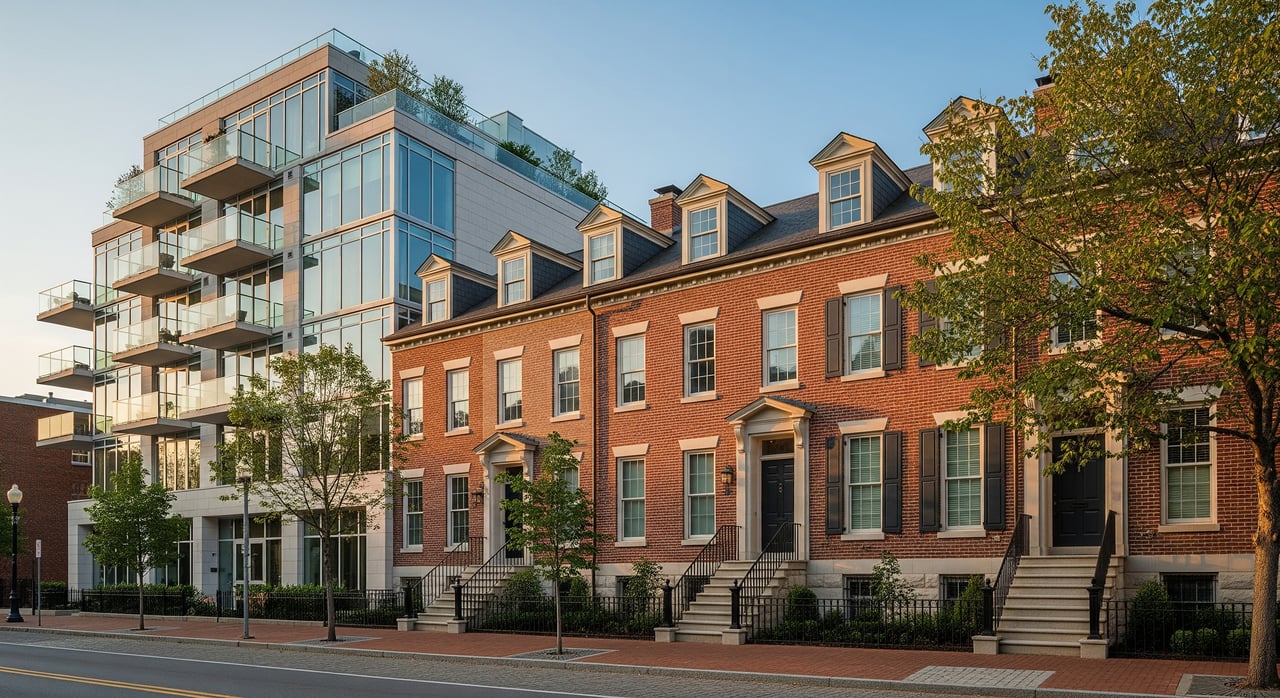
A condominium means you typically own the interior of your unit plus a shared interest in common elements like hallways, the roof, and amenities. A condo association manages common areas, enforces rules, and carries a master insurance policy for those shared elements. You carry unit insurance, usually an HO-6 policy, for your interior and belongings.
What is a townhome?
A townhome is usually an attached, multi-level residence with a private entrance. The legal structure can vary. Some townhomes are fee simple, where you may own the land and the exterior, while others are set up under a condo regime. Many townhomes have an HOA for shared items like landscaping or driveways. Always confirm the recorded declaration and plats to know what you own and what you are responsible for.
Key differences you will feel
- Exterior responsibility: Condo owners are usually responsible for the interior only. Townhome owners often handle exterior maintenance and the roof, depending on HOA documents.
- Land ownership: Townhomes often include the land under the unit. Condos typically do not.
- Insurance: Condos use an HO-6 policy coordinated with the association’s master policy. Townhomes often use an HO-3 or HO-5 policy that covers the structure and exterior.
- Rules and alterations: Condo associations often have stricter exterior rules. Townhome rules vary based on whether the owner controls the exterior.
- Financing: Lenders may treat townhomes like single-family homes more often. Condos can require project-level underwriting that affects available loan programs.
Downtown 40507 lifestyle
The 40507 ZIP code covers downtown Lexington and neighboring urban blocks. You will find city conveniences, mixed-use buildings, and a walkable environment that appeals to a range of buyers, from first-time homeowners to downsizers and investors. Proximity to employment, dining, and entertainment can be a major draw, and it is smart to review parking arrangements, noise exposure, and building security when you compare options.
Parking and access
Ask early about assigned spaces, garage availability, and street permits. Parking can differ by building and HOA, and it affects resale and daily convenience.
Historic and design context
Some downtown properties sit within local historic districts or design review areas. If exterior changes are important to you, verify any design review requirements that could affect your plans, especially with townhomes where you might own the exterior.
Money matters
Purchase price and monthly costs
Condos often have higher monthly HOA dues because they include more, such as exterior maintenance, building insurance, and shared utilities or amenities. Townhome dues may be lower, but owners frequently pay more out of pocket for exterior upkeep. Compare total monthly costs, not just the list price.
Property taxes and assessments
Use Fayette County assessed values and local millage rates to estimate annual property taxes for each property. Confirm whether there are special districts or assessments that apply to downtown locations. For condominiums, check for recent or pending special assessments that cover capital projects.
Insurance differences
- Condos: Review the association’s master policy to see if it is bare walls-in or broader coverage. Match your HO-6 limits to fill gaps for interior finishes, improvements, and personal property.
- Townhomes: Plan for a policy that insures the structure and exterior and coordinate with any HOA master policy to prevent coverage gaps.
Financing and underwriting
Conventional, FHA, and VA loans have different rules for condo projects. Some require project approval or unit-based approvals. Lenders often assess owner-occupancy ratios, commercial space, and HOA reserves for condos. Townhomes are more likely to be underwritten like single-family homes, which can simplify the process.
Maintenance and inspections
Condos
Interior systems and finishes are your focus, but you should also evaluate the building’s major systems and envelope. Ask about roof age, windows, elevators, and any recent reserve study.
Townhomes
Plan to inspect the roof, exterior cladding, foundation lines, and drainage if those are your responsibility. Review HOA documents to confirm where your duties begin and end.
Capital needs and aging buildings
Older downtown buildings can face projects like cladding repairs, window replacements, or HVAC stack updates. Reviewing board minutes, reserve studies, and budgets helps you anticipate costs.
HOA rules and governance
Documents to review
- Covenants, Conditions and Restrictions (CC&Rs) and bylaws
- Budget, reserve fund report, and any recent dues changes
- Board meeting minutes from the last 12 to 24 months
- Master insurance certificate and coverage summary
- Parking agreements, storage policies, and amenity rules
Rules that affect daily life
Pet policies, rental caps, leasing minimums, and short-term rental restrictions vary widely. Read for details, not headlines. If renting short term is part of your plan, confirm local rules and any registration requirements, then confirm HOA restrictions, since HOAs can be more restrictive than the city.
Who each option suits best
- You want low maintenance and amenities: A condo can fit if you prefer to offload exterior work and value features like secure entry or shared facilities.
- You want a private entrance and more control: A townhome may suit you if you want a front door to the street, potential land ownership, and more say over exterior items.
- You want maximum financing flexibility: Townhomes are often simpler for lending, while condos may have extra project requirements.
- You prioritize predictability of costs: Condos bundle many costs into HOA dues. Townhomes may require budgeting for individual exterior repairs over time.
Local checklist for 40507 buyers and sellers
Use this list to evaluate any downtown condo or townhome:
- Confirm legal structure: condo regime or fee-simple townhome, using recorded declarations and plats.
- Obtain HOA documents: CC&Rs, bylaws, current budget, reserves, insurance certificate, and 12–24 months of board minutes.
- Ask about special assessments: recent, pending, or planned capital projects.
- Verify parking: number of spaces, assignments, fees, and guest parking rules.
- Clarify rental rules: caps, minimum lease terms, and any short-term rental restrictions and registrations.
- Review maintenance responsibilities: roof, exterior, windows, decks, and shared systems.
- Check financing fit: consult a local lender about condo project approval or down payment requirements.
- Price review: request a current MLS snapshot for active, pending, and sold comps in 40507, separated by condos and townhomes.
- Property taxes: confirm assessed value and run tax estimates for your price point.
- Historic or design review: identify any district rules that apply to exterior changes.
- Insurance: align your personal policy with the HOA master policy to avoid gaps.
How to compare two listings
- Start with total monthly cost. Add principal and interest, HOA dues, estimated taxes, and insurance. If a townhome lacks certain HOA coverage, add a maintenance set-aside.
- Map maintenance responsibility. List what you must maintain for each property and estimate the life cycle of big-ticket items like the roof.
- Review HOA health. Compare reserve funding, dues trends, and upcoming projects. Look for clear, consistent board communication in the minutes.
- Confirm lending and closing risk. For condos, ask your lender about project approval status early. For both types, make sure there are recent comparable sales for appraisal.
Red flags and negotiation tips
- Low reserves and major projects: If reserves are thin and big work is planned, negotiate seller credits or price adjustments.
- Unclear insurance coverage: Ask for the master policy summary and confirm where your coverage begins. Resolve gaps before closing.
- Vague parking rights: Insist on written confirmation of assigned spaces and any fees.
- Strict rental caps: If you plan to rent, make your offer contingent on reviewing HOA documents and add-ons that address leasing approvals.
- Aging systems without a plan: If elevators, roofs, or envelopes are nearing end of life, request recent studies and contractor bids.
Work with a local advisor
Downtown properties in 40507 can look similar on the surface yet differ in legal structure, financing paths, and long-term costs. You deserve an advisor who reads the fine print, compares total cost of ownership, and negotiates to protect your outcome. If you are weighing a condo against a townhome, or preparing to sell one, let a data-minded local advocate guide you from first showing through closing.
Ready to compare specific options or get a pricing read on your place? Connect with Thaddeus Blevins for a clear plan and a seamless experience.
FAQs
What is the main difference between condos and townhomes in 40507?
- Condos usually include ownership of the interior plus shared common elements, while townhomes often include the structure and land; always verify the recorded declaration for the exact legal setup.
How do monthly costs compare for downtown Lexington condos vs townhomes?
- Condos typically have higher HOA dues that cover more services, while townhomes may have lower dues but higher owner-paid exterior maintenance; compare total monthly cost, not just dues.
Are short-term rentals allowed in 40507 condos or townhomes?
- Rules vary by local regulation and by HOA; confirm local short-term rental requirements and then review the community’s leasing rules, since HOAs can be more restrictive.
Do lenders treat condos differently than townhomes in Lexington-Fayette?
- Often yes; condos can require project-level approval and may have added criteria, while townhomes are more commonly underwritten like single-family homes.
What HOA documents should I review before buying downtown?
- Review CC&Rs, bylaws, budget, reserve statements, insurance coverage, parking agreements, and 12–24 months of board minutes to identify rules and upcoming costs.
What insurance do I need for a downtown condo or townhome?
- Condos usually need an HO-6 policy coordinated with the association’s master policy; townhomes typically require an HO-3 or HO-5 policy that covers the structure and exterior.
Which tends to appreciate better in downtown Lexington, condos or townhomes?
- Appreciation depends on supply, demand, and property specifics; rely on current MLS comps for 40507 and evaluate HOA health, parking, and condition alongside location.
How can I judge HOA financial health in 40507 buildings?
- Look for adequate reserves, clear budgets, timely dues collection, transparent meeting minutes, and a plan for capital projects without recurring special assessments.