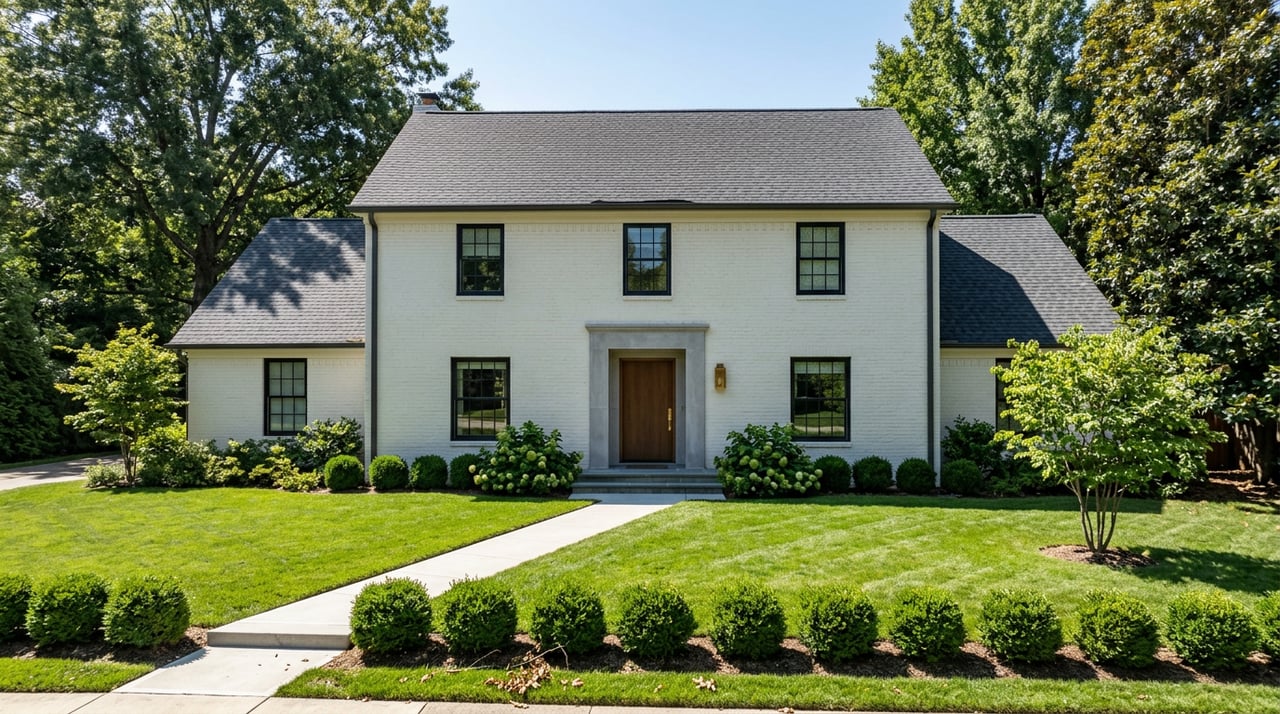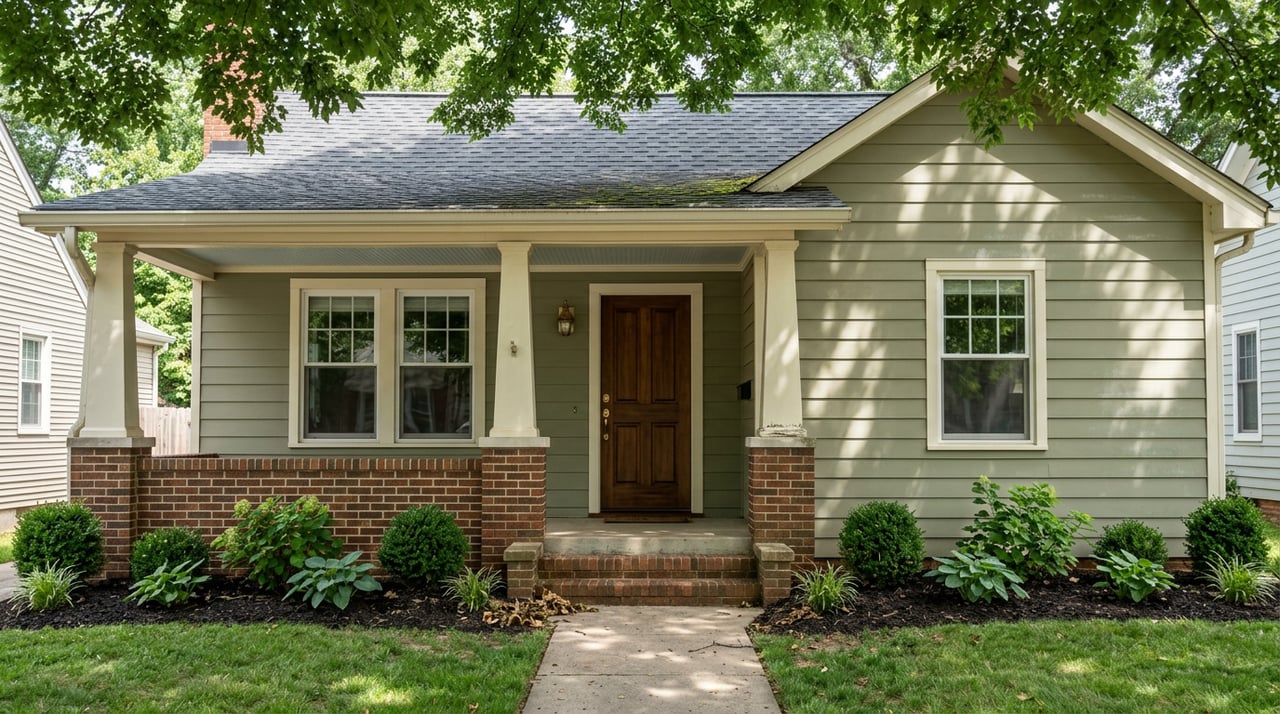
Are you torn between the structure of an HOA and the freedom of a non‑HOA neighborhood? If you are looking at Masterson Station and Meadowthorpe in Lexington, you are not alone. Each area offers a distinct day‑to‑day experience that affects your budget, flexibility, and long‑term value. This guide breaks down the basics, highlights practical tradeoffs, and shares what to verify before you buy. Let’s dive in.
Masterson Station basics
Masterson Station is often described as a planned subdivision in north to northwest Lexington. Many communities in this area are governed by a homeowners association or by deed restrictions that guide exterior appearance and shared spaces. Do not assume every address is in the same HOA. Governance can vary by street, so confirm the status on the specific parcel before you write an offer.
Meadowthorpe basics
Meadowthorpe is an established neighborhood west to northwest of downtown near Leestown Road. Most older Lexington neighborhoods like Meadowthorpe operate without a formal HOA. You will still follow city codes and any private covenants that may apply to a given property. As with any area, verify the exact rules and any restrictions tied to the deed for the home you want.
Rules and flexibility
HOA controls (Masterson Station‑type)
- Covenants often regulate exterior paint, fencing styles, mailboxes, sheds, and landscaping.
- Many require Architectural Review Committee approval before exterior changes.
- Limits may apply to visible storage, parking of boats or trailers, and seasonal decor.
Non‑HOA flexibility (Meadowthorpe‑type)
- Fewer private rules beyond city zoning and building permits.
- Exterior changes are mainly guided by municipal code and inspections.
- No centralized enforcement body. Neighbors may raise concerns, but the city handles code issues.
Fees and budgets
With an HOA
- You will pay regular dues that fund common‑area upkeep, amenities, and administration.
- Special assessments can occur if reserves fall short or major repairs pop up.
- Lenders count dues in your monthly obligations, which can affect how much you qualify to borrow.
Without an HOA
- No HOA dues, but you handle all yard work, exterior repairs, and upgrades yourself.
- Costs can be unpredictable, such as replacing a retaining wall or long fence run.
Amenities and upkeep
HOA communities
- Often maintain entrances, green spaces, and sometimes a pool, clubhouse, playgrounds, or trails.
- Private amenities are for members and follow posted rules and hours.
Non‑HOA neighborhoods
- Rely on public amenities maintained by the city. Private features like a backyard pool are owner‑managed.
- Each homeowner handles their own exterior maintenance standards and scheduling.
Governance and enforcement
HOA structure
- Boards, budgets, and meetings guide operations. Homeowners can vote and serve.
- Violations often follow a formal process that may include notices, fines, and lien rights for unpaid dues if allowed by covenants.
- Standardized enforcement can reduce appearance disputes, though it also reduces personal flexibility.
Non‑HOA approach
- Disputes are usually handled neighbor‑to‑neighbor or through city code enforcement and, if needed, civil courts.
- No centralized governing body unless there is a voluntary association without enforcement power.
Insurance and liability
In an HOA
- The association typically carries a master policy for common elements and liability in shared areas.
- You still need a homeowners policy for your structure and belongings. Verify what the master policy covers and what deductibles apply.
Outside an HOA
- You carry full responsibility for insuring your home and lot.
- No shared master policy exists for neighborhood features.
Rentals, pets, and subletting
HOA communities
- Rental limits are common, such as caps on the percentage of homes rented or minimum lease terms.
- Pet rules can include breed or size limits and leash requirements.
Non‑HOA areas
- Rentals and pets are guided mainly by landlord‑tenant law and city ordinances.
- Fewer private restrictions, but you still must follow local regulations.
Resale and buyer appeal
- HOA areas often attract buyers who want a uniform look, amenities, and consistent standards. A well‑run HOA with sound reserves can be a selling point.
- Non‑HOA neighborhoods appeal to buyers who want more flexibility, unique character, and fewer recurring fees. Investors may favor fewer restrictions on renting.
- Market impact depends on buyer preferences and the specific property’s condition and location.
Everyday scenarios to compare
- Exterior project: In an HOA, you submit an ARC application before adding a deck or new fence. In a non‑HOA area, you follow city permits and codes without a private approval layer.
- Parking and storage: In an HOA, long‑term RV or boat parking may be restricted. In a non‑HOA area, rules come from city ordinances and your lot layout.
- Landscaping: An HOA may enforce lawn standards and mailbox specs. Without an HOA, you choose the plan, pay the vendor, and meet city code requirements.
- Amenities: HOA pools and playgrounds come with dues and rules. Non‑HOA residents rely on city parks or private at‑home options.
What to verify before you buy
If the property is in an HOA (Masterson Station‑type)
- Request and review: CC&Rs, Bylaws, Articles, current Rules and Regulations.
- Confirm architectural standards and the ARC process.
- Study the most recent budget, financials, and reserve study.
- Read meeting minutes from the past 12 to 24 months.
- Verify the current assessment amount, payment schedule, and any recent or pending special assessments.
- Get the master insurance summary and deductible details.
- Ask about pending litigation or major enforcement actions.
- Confirm the management company contact and processes for requests.
- Request the resale certificate or seller disclosure package if required.
- Ask the listing agent about rental rules, occupancy limits, major projects, and ARC approval timelines.
- Have your lender and title company review the documents for loan eligibility and recorded obligations.
If the property is not in an HOA (Meadowthorpe‑type)
- Check the deed for any private covenants or restrictions that still apply.
- Review zoning and permit history for exterior projects or accessory structures.
- Ask the seller what exterior work was done, whether permits were pulled, and if inspections passed.
- Confirm whether a voluntary neighborhood association exists and request any published guidelines.
Universal checks
- Review plat maps for boundaries and setback lines.
- Confirm utilities and who maintains sidewalks and handles snow removal.
- Ask about trash and recycling providers and any special pickup rules.
- Review property tax history and have title search any recorded liens.
HOA red flags to watch
- No recent reserve study or unclear reserve funding.
- Frequent special assessments in the last several years.
- Ongoing litigation or consistent enforcement disputes.
- Unresponsive management or incomplete document packages.
Local resources to consult
- Lexington‑Fayette Urban County Government for zoning, permits, municipal code, and public services.
- Fayette County Property Valuation Administrator for parcel and assessment details.
- Fayette County Clerk or Register of Deeds for recorded plats, covenants, and deed restrictions.
- Your title company for liens, easements, and recorded covenants during escrow.
- The listing agent or seller for HOA name, fee details, and resale disclosures.
- A real estate attorney if covenants are complex or there is pending litigation.
Which fit is right for you
If you want a more structured environment with shared amenities and consistent standards, focus on HOA sections within Masterson Station after you verify the parcel’s status. If you value flexibility, unique home styles, and fewer recurring fees, Meadowthorpe’s non‑HOA streets may be a better match. Either way, confirm the exact rules and costs tied to the address you love before you commit.
Ready to compare addresses in Masterson Station and Meadowthorpe side by side? Reach out to Unknown Company to talk through your goals and Get Your Free Home Valuation.
FAQs
How do HOA dues in Lexington affect mortgage qualifying?
- Lenders include dues in your monthly obligations, which can lower the loan amount you qualify for. Verify the exact dues and whether any assessments apply.
Can a Lexington HOA place a lien for unpaid dues?
- Many associations have lien rights if covenants allow. Review the CC&Rs and have the title company check for any existing liens during escrow.
What happens if an HOA near Masterson Station is underfunded?
- The board may levy special assessments, reduce services, or defer maintenance. Review the reserve study, recent budgets, and meeting minutes before you buy.
Do HOA rules override Lexington city code in these neighborhoods?
- No. Municipal code prevails for safety and legal standards. HOAs can set stricter private rules but cannot permit anything that violates city or state law.
Are pet restrictions common in Lexington HOA communities?
- Yes, many HOAs set pet limits or rules. In non‑HOA areas, pets are governed by local ordinances and owner responsibility.
How are neighbor disputes handled without an HOA in Meadowthorpe?
- Most are resolved between neighbors or through city code enforcement. In some cases, issues may go to civil court.
What documents should I review before buying into an HOA in Lexington?
- Read the CC&Rs, Bylaws, Rules and Regulations, ARC standards, recent budgets and reserve study, meeting minutes, insurance summary, and the resale certificate if required.