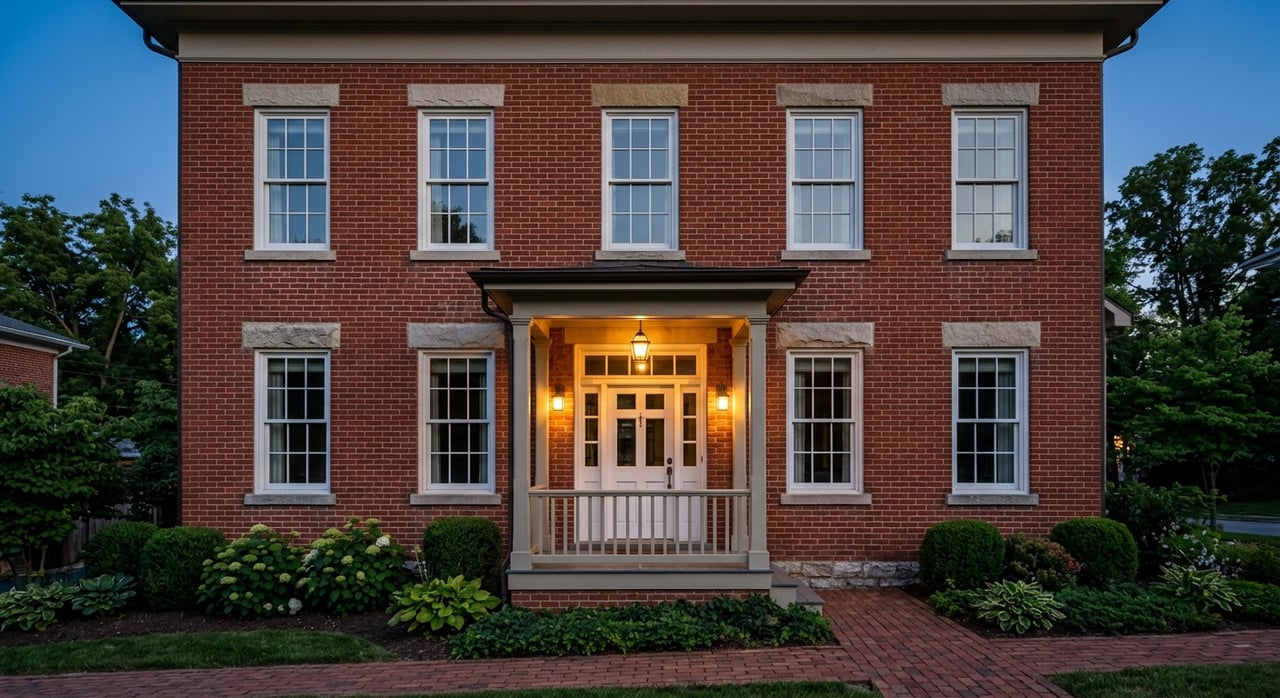
Wondering whether a historic home in Frankfort is a dream purchase or a renovation surprise waiting to happen? If you love character, craftsmanship, and a sense of place, Frankfort gives you plenty to explore, but buying an older home here takes more than falling for original trim and a welcoming front porch. The good news is that with the right inspections, local guidance, and a clear understanding of city rules, you can make a smart decision with confidence. Let’s dive in.
Why Frankfort Appeals to Historic-Home Buyers
Frankfort has one of the most layered historic settings in Central Kentucky. According to the City of Frankfort’s architecture overview, much of downtown reflects 19th-century development, with many brick commercial buildings dating to the 1870s and 1880s after a major 1870 fire.
For homebuyers, that history shows up in both architecture and neighborhood character. The city identifies three historic zoning districts: Special Capital, Central Business, and Special Historic. It also notes two National Register districts within the city, South Frankfort and Central Frankfort, which are especially relevant if you are shopping for an older home with original details.
South Frankfort’s Residential Character
If you are looking for a historic residential area, South Frankfort stands out. Its National Register nomination describes it as a predominantly residential district with around 660 buildings, many dating to the late 19th and early 20th centuries.
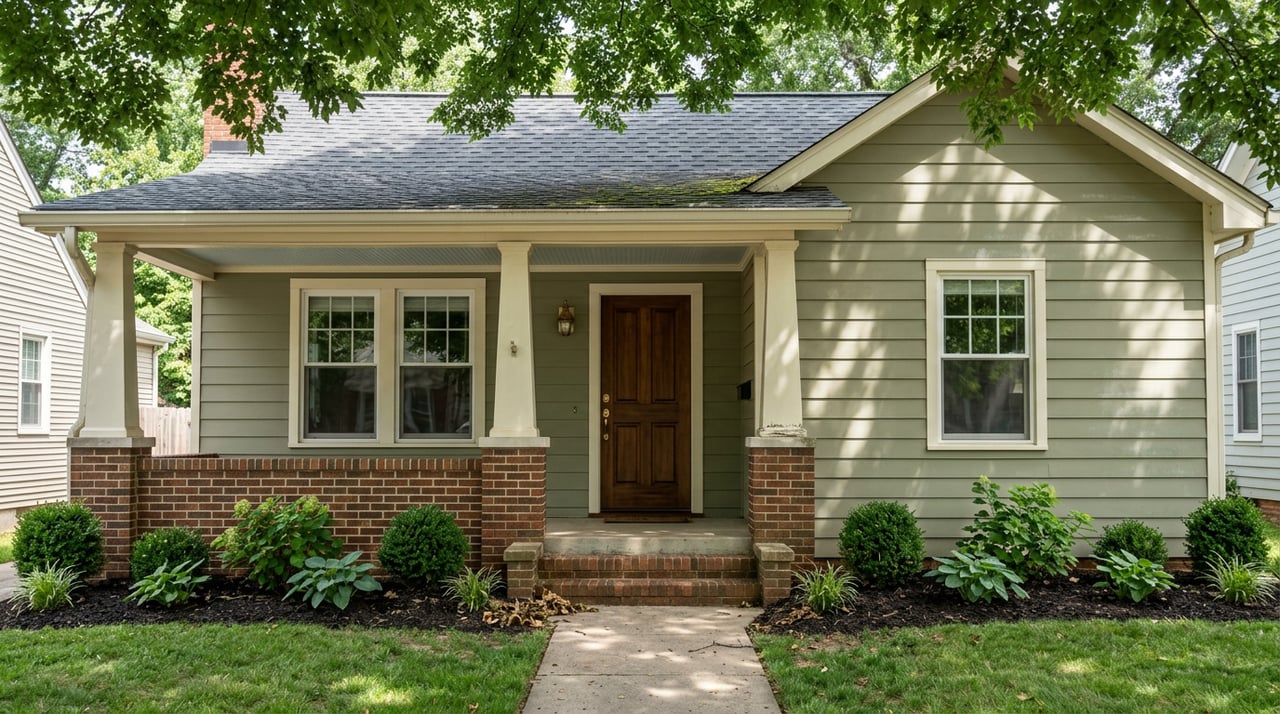
You can also expect a wide mix of styles rather than one uniform look. The district includes Greek Revival, Gothic Revival, Italianate, Queen Anne, Colonial Revival, Prairie, Craftsman Bungalow, and other period designs, with T-plan houses noted as the most common type.
Central Frankfort’s Earlier Historic Core
Central Frankfort reflects an even earlier layer of the city’s development. Its National Register record identifies Federal and Greek Revival architecture, while the city highlights landmarks such as Liberty Hall, the Old State Capitol, and the Old Mansion as part of the historic downtown landscape.
If you want to understand how these homes fit into the broader city fabric, public resources can help. Visit Frankfort’s self-guided tours offer a useful way to walk historic areas like Corner in Celebrities before you buy.
What Makes a Historic Home Valuable
With older homes, the value is often tied to original materials, proportions, and craftsmanship rather than just size. In a place like Frankfort, that can mean wood windows, plaster walls, porches, masonry, trim, and architectural details that are difficult to replicate today.
The Secretary of the Interior’s preservation standards emphasize protecting distinctive materials, finishes, features, and craftsmanship. That matters because when you buy a historic home, you are not just evaluating square footage and layout. You are also evaluating how much original fabric remains and what it will take to maintain it well.
Expect Variety in Materials and Construction
Frankfort’s historic housing stock includes both masonry and wood construction. That means your inspection and future maintenance plan may need to account for very different building systems depending on the property’s age, style, and past updates.
This is one reason older homes deserve a slower, more detailed review. A porch column, original window, or repaired masonry wall may affect not only your costs, but also what kinds of changes make sense down the road.
Key Issues to Check Before You Buy
Historic homes can be rewarding to own, but they ask more from buyers during due diligence. The goal is not to avoid older homes. It is to understand their condition clearly before you close.
Lead Paint Risks in Pre-1978 Homes
If the home was built before 1978, lead-based paint should be part of your planning. The EPA’s Renovation, Repair and Painting Program explains that renovation, repair, or painting projects in pre-1978 homes can create dangerous lead dust.
That is especially important if you expect to update windows, walls, trim, or exterior surfaces after closing. If work will disturb painted surfaces, ask early whether lead-safe practices or certified contractors may be needed.
Asbestos in Older Materials
Asbestos is another issue that can appear in older homes. The CDC’s ATSDR guidance says people in older houses should avoid disturbing materials that may contain asbestos, such as certain insulation products, siding, flooring, some popcorn ceilings from the 1950s to the 1970s, and vermiculite attic insulation.
This does not automatically mean a home is unsafe to buy. It does mean that suspect materials should be handled carefully, and if they are damaged or need replacement, a trained asbestos contractor should be consulted.
Moisture and Water Intrusion
Moisture is one of the biggest long-term threats to historic buildings. The National Park Service guidance on moisture problems points to warning signs such as damp plaster or wallpaper around windows, and recommends checking roofs, gutters, downspouts, masonry, openings, and vegetation near the house.
When you tour a property, look beyond finishes. Water management issues often start outside, so grading, roof condition, drainage paths, and foundation-adjacent landscaping all deserve attention.
Energy Efficiency Upgrades
Many buyers want lower utility bills, but older homes respond best to careful planning rather than fast, aggressive upgrades. The National Park Service weatherization guidance recommends starting with an energy audit and notes that historic windows and doors can often be repaired or improved instead of replaced.
Simple steps like caulking and weather-stripping may help air sealing while minimizing impact on historic materials. If energy efficiency is a major priority for you, it is smart to weigh those goals against preservation and approval requirements before you buy.
Flood Risk in River-Adjacent Areas
Frankfort buyers should also keep flood risk on their checklist, especially in river-adjacent parts of town. The city’s flood mitigation resources note that historic properties with elevated flood risk and locations in Frankfort’s National Register historic districts can use flood-adaptation guidance, and the city maintains floodplain management and flood-protection infrastructure.
For buyers, the practical takeaway is simple: understand the property’s location, ask questions early, and factor flood-related planning into your overall ownership costs.
Understand Frankfort’s Review Rules
Before you assume you can replace windows, build an addition, or change exterior materials, check whether the property is in one of Frankfort’s historic zoning districts. The city’s historic preservation page explains that exterior modifications, additions, demolitions, and new construction may require review by the Architectural Review Board and certificates of appropriateness.
If you are unsure whether a property falls inside a local historic district, the city directs owners and buyers to the Planning Department. This step matters because review requirements can affect both your renovation timeline and budget.
Why This Matters During the Offer Stage
If you are considering a home because of its renovation potential, district rules should be part of your due diligence, not an afterthought. A project that seems straightforward in a newer neighborhood may require a more specific approach in a historic area.
That does not have to be a deal breaker. It simply means your buying strategy should match the property’s constraints and opportunities from the beginning.
Build the Right Inspection Team
A standard home inspection is important, but a historic purchase often calls for deeper expertise. Kentucky licenses home inspectors through the Kentucky Board of Home Inspectors, which is a good place to verify licensing.
For many older homes, you may also want targeted evaluations from specialists such as:
- Roofers
- Masons
- Electricians
- Plumbers
- Preservation-minded contractors
Frankfort also maintains a public list of historic-preservation architects, designers, and contractors. The city says the list is informational rather than an endorsement and recommends contacting at least three consultants and checking references.
Look Into Financial Incentives
If you plan to rehabilitate a historic property, available incentives may affect your budget in a meaningful way. Frankfort says some properties in the city’s two National Register districts may be eligible for tax credits if requirements are met.
According to the city’s historic-preservation resources, Kentucky’s state rehabilitation credit can provide up to 30% for owner-occupied residential properties and up to 20% for other eligible properties. The federal 20% credit applies only to income-producing buildings, which means owner-occupied residences do not qualify for the federal version.
Timing Matters for Credits
Kentucky notes that the rehabilitation tax credit application is a three-part process completed before, during, and after the work. If incentives are part of your plan, it is worth understanding the process before you start any major improvements.
Frankfort also offers a property tax moratorium that defers the added taxable value of improvements for five years. For buyers taking on substantial rehabilitation, that may be another useful item to explore early.
Smart Questions to Ask Before Buying
When you tour a historic home in Frankfort, try to move beyond first impressions and ask practical, property-specific questions.
Here are a few helpful ones:
- Is the home located in a local historic zoning district?
- What exterior changes may require Architectural Review Board approval?
- How much original material is still intact?
- Have the roof, gutters, masonry, windows, or foundation had recent work?
- Are there signs of moisture intrusion or deferred maintenance?
- If the home is pre-1978, what should you know about lead-safe renovation planning?
- Are there any flood-related considerations for this location?
- Could the property qualify for state or local preservation incentives?
A Thoughtful Buying Strategy Pays Off
Buying a historic home in Frankfort can be deeply rewarding if you appreciate architecture, craftsmanship, and the story behind a property. It can also be a smarter purchase when you understand from the start how inspections, preservation rules, maintenance needs, and possible incentives fit together.
That is where good local guidance matters. If you are exploring older homes in Frankfort or anywhere in Central Kentucky, Thaddeus Blevins can help you evaluate properties, organize a smart due diligence strategy, and move forward with confidence.
FAQs
What should buyers know about historic districts in Frankfort, KY?
- Some properties may be located in Frankfort’s historic zoning districts, where exterior changes, additions, demolitions, or new construction can require Architectural Review Board review and certificates of appropriateness.
What inspection issues matter most when buying an older home in Frankfort?
- Buyers should pay close attention to lead paint in pre-1978 homes, possible asbestos-containing materials, moisture intrusion, roof and gutter condition, masonry, windows, and drainage around the property.
What architectural styles can buyers expect in Frankfort historic homes?
- Frankfort historic homes can include Federal, Greek Revival, Italianate, Queen Anne, Colonial Revival, Prairie, Craftsman Bungalow, and other late 19th- and early 20th-century styles.
What financial incentives may apply to a historic home in Frankfort, KY?
- Some properties in Frankfort’s National Register districts may qualify for Kentucky rehabilitation tax credits if requirements are met, and the city also offers a property tax moratorium that defers the added taxable value of improvements for five years.
What public resources can help buyers research historic homes in Frankfort?
- Buyers can use the City of Frankfort’s historic-preservation resources, the Planning Department, the Kentucky Board of Home Inspectors, Visit Frankfort’s walking tours, and the Franklin County Trust for Historic Preservation for helpful background and planning information.