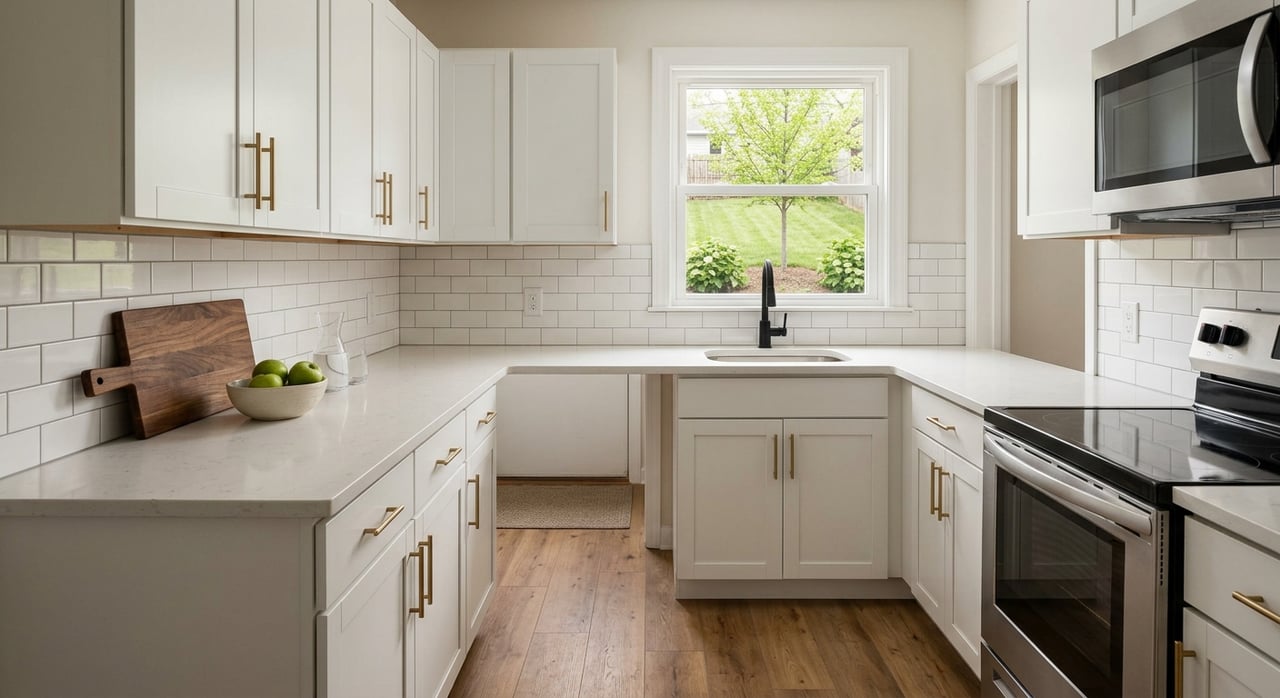
Buying your first home can feel exciting right up until you start asking the big questions: What counts as a starter home in Richmond, and what can you realistically afford? If you are trying to make sense of prices, loan options, and what to expect from the process, you are not alone. This guide breaks down what first-time buyers should know about starter homes in Richmond, KY, so you can move forward with more clarity and less stress. Let’s dive in.
What a starter home means in Richmond
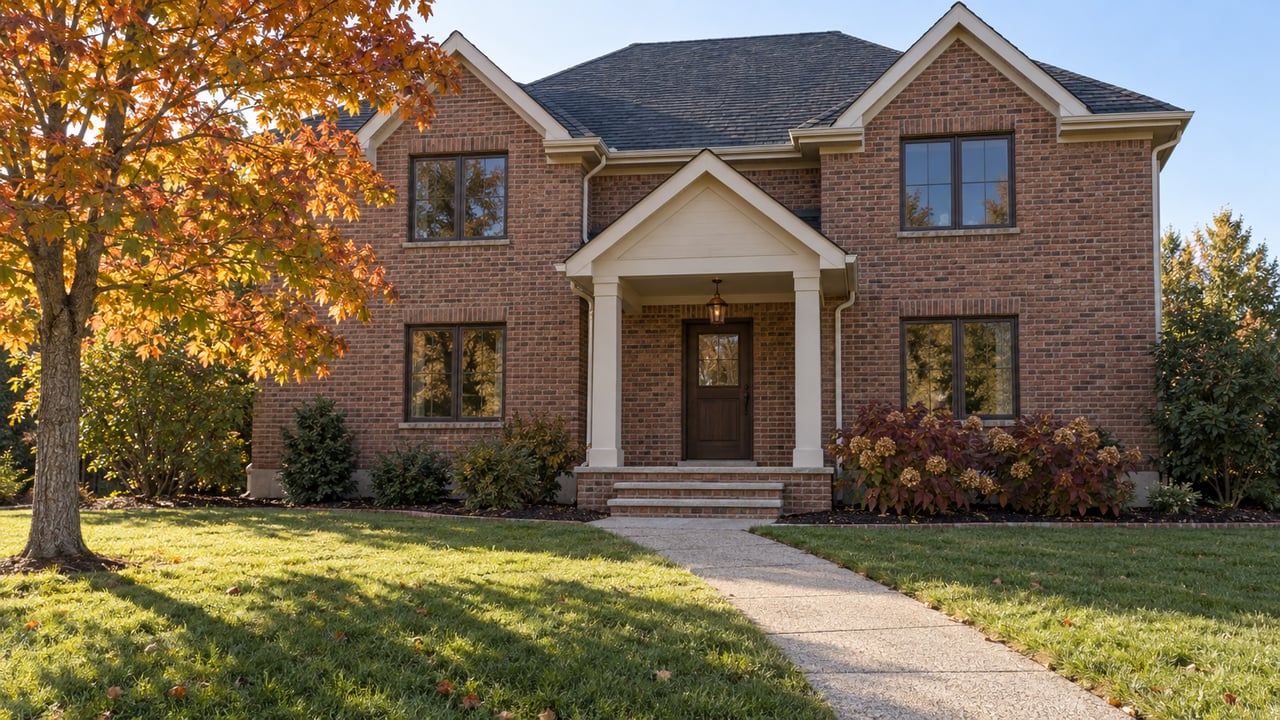
In Richmond, a starter home does not always mean tiny or dated. Based on current listings and recent sales, many starter-home options look like 3- or 4-bedroom houses with 2 bathrooms and roughly 1,200 to 2,000 square feet, though some available homes are larger. Current examples on the market are showing up around $315,000 to $324,000, while some recent closed sales came in under $300,000, according to Richmond market data from Realtor.com and Redfin's housing market report.
That is why it helps to think in terms of a range instead of one exact number. Redfin reported a February 2026 median sale price of $292,450, while Realtor.com showed a February 2026 median list price of $349,999. Those numbers measure different things, but together they suggest many first-time buyers in Richmond are shopping in the low-to-mid $300,000s.
Why Richmond draws first-time buyers
Richmond gives buyers a market with a broad mix of housing and steady local demand. The city's population estimate reached 39,581 in 2024, up 12.6% from the 2020 census, according to the U.S. Census QuickFacts for Richmond. Population growth does not guarantee anything, but it can help explain why demand has remained active.
The city also has a varied housing stock. A local housing profile shows detached single-family homes make up 39.8% of the housing mix, with additional options in smaller multifamily buildings and mobile homes, and a median construction year of 1994, based on Richmond demographics and housing data. For you as a buyer, that means you may see a wider range of home styles, ages, and condition levels as you search.
What starter homes often look like
Many Richmond starter homes offer more space than some first-time buyers expect. It is common to see homes with practical layouts, multiple bedrooms, and enough square footage for a home office, guest room, or flex space. That can make Richmond appealing if you want room to grow without jumping straight into a move-up price point.
You should also expect variety in age and finish level. Since much of the housing stock dates from the 1990s and 2000s, some homes may mainly need cosmetic updates like paint, flooring, or fixtures. Older homes may require a closer look at bigger-ticket systems such as the roof, plumbing, electrical, HVAC, windows, or foundation.
How competitive the market feels
Richmond is not the kind of market where every home is guaranteed to spark a bidding war, but you still need to be prepared. Redfin describes the market as somewhat competitive, with homes averaging 88 days on market, while Realtor.com characterizes it as balanced. Both sources also suggest modest discounting, with homes selling around 1.7% to 2% below asking on average.
For you, that creates an important middle ground. You may have room to negotiate in some situations, but well-priced homes in good condition can still move quickly. A smart search strategy matters more than assuming you can either rush blindly or wait forever.
Budget beyond the price tag
One of the biggest first-time buyer mistakes is focusing only on the listing price. Your true budget also needs to include your down payment, closing costs, monthly payment, insurance, and any repairs or updates you may want to handle after closing.
The Consumer Financial Protection Bureau says closing costs typically range from 2% to 5% of the purchase price, before your down payment. The CFPB also notes that mortgage insurance may be required if your down payment is under 20%. That is why affordability is personal, even in the same market.
Richmond's median household income is $50,870, according to the U.S. Census QuickFacts page. Still, citywide income data should not drive your home budget. Your income, debts, savings, and comfort level matter much more than any market average.
Financing options first-time buyers should know
If you are buying your first home in Richmond, you may have more loan options than you think. The CFPB says common paths for first-time buyers include FHA, VA, USDA, Fannie Mae, and Freddie Mac-backed programs, as outlined in its mortgage key terms guide.
Here is a simple breakdown:
- Conventional loans are not government-insured or guaranteed.
- FHA loans may allow lower credit scores and down payments as low as 3.5%.
- USDA loans may offer no-down-payment options for eligible rural borrowers.
- VA loans are available to eligible servicemembers, veterans, and surviving spouses.
The right fit depends on your finances, eligibility, and long-term plans. The CFPB also recommends comparing multiple Loan Estimates instead of accepting the first offer you receive, which can help you evaluate rates, fees, and overall loan structure more clearly.
Why inspections matter in Richmond
Once you are under contract, the inspection becomes one of your most important protection tools. The CFPB advises buyers to schedule an independent home inspection as soon as possible after a contract is accepted, attend if possible, and avoid buying without one.
This matters in any market, but especially in a place like Richmond where housing ages vary. An inspection is designed to identify issues with structural and mechanical systems. If major concerns come up, you may be able to renegotiate, request repairs, or cancel the contract if your agreement allows it.
If the inspection or appraisal reveals serious repair issues, the lender may require repairs before closing or ask for repair funds to be set aside after closing. That can affect both your timeline and your cash needs, so it is best to go in with realistic expectations.
What to expect at closing
Closing day is less stressful when you know what is coming. According to the CFPB's closing process overview, your lender must provide a Closing Disclosure at least three business days before closing. That gives you time to review the final loan terms and compare them to what you expected.
Pay close attention to your loan terms, monthly payment, cash-to-close amount, and any homeowners insurance or title insurance requirements. The CFPB also explains that the settlement agent handles the legal transfer of title and ownership. If something looks different than expected, ask questions before you sign.
Smart first steps for Richmond buyers
If you are serious about buying a starter home in Richmond, a few practical steps can make your search much smoother.
- Get clear on your monthly comfort range, not just your maximum approval amount.
- Compare multiple Loan Estimates.
- Plan for closing costs and possible post-closing repairs.
- Prioritize inspection protections when making an offer.
- Stay open to a range of home ages and cosmetic conditions.
- Focus on overall value, not just the lowest list price.
Because Richmond's market sits in a middle zone, balanced in some ways and competitive in others, preparation gives you an edge. When you understand the numbers and the process, you can make better decisions without feeling rushed.
How local guidance can help
First-time buying is rarely just about finding a house online. You also need help understanding pricing, comparing neighborhoods and property types in a neutral and factual way, spotting red flags, and building a strategy around your financing and timing.
That is where local, data-informed guidance can make a real difference. If you want help evaluating Richmond starter homes and building a plan that fits your budget and goals, connect with Thaddeus Blevins for personalized support throughout your home search and purchase.
FAQs
What price range should first-time buyers expect for starter homes in Richmond, KY?
- Many Richmond starter homes are showing up in the low-to-mid $300,000s, with current examples around $315,000 to $324,000 and some recent closed sales under $300,000.
What do starter homes in Richmond, KY usually include?
- Many starter homes in Richmond are 3- or 4-bedroom houses with 2 bathrooms and about 1,200 to 2,000 square feet, though some homes are larger.
Are Richmond, KY starter homes in a competitive market?
- Richmond appears to be moderately competitive, with one source describing it as somewhat competitive and another calling it balanced, so some homes may offer room to negotiate while others can still move quickly.
What loan options are available for first-time home buyers in Richmond, KY?
- Common options include conventional, FHA, VA, USDA, Fannie Mae, and Freddie Mac-related programs, depending on your eligibility and financial profile.
Why is a home inspection important when buying a starter home in Richmond, KY?
- A home inspection can uncover structural or mechanical issues, which is especially helpful in a market with a mix of older and newer homes and may give you a chance to renegotiate or adjust your plans before closing.
How much should first-time buyers budget for closing costs in Richmond, KY?
- The CFPB says buyers should generally expect closing costs of about 2% to 5% of the purchase price before the down payment.